



MSN Messenger: classic real‑time chat with expressive social tools
Split instant text chat, voice and video calls with expressive extras like Winks and Nudges, plus file sharing and short voice clips. Microsoft created MSN Messenger as a consumer messaging hub tied to Hotmail and the MSN portal, offering presence-aware status, custom emoticons, and profile pictures. It targets teenagers and general consumers who want playful, social conversation rather than workplace collaboration, and it integrates email notifications and local message history for personal archives.
Top Recommended Alternative

What is MSN Messenger used for?
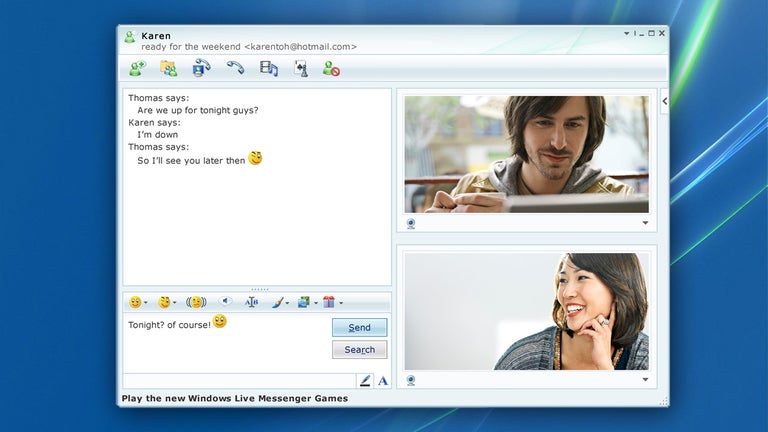
MSN Messenger serves as a personal communication client for real-time conversation: it handles instant text messaging with presence indicators, supports file transfers and built-in games, and adds short audio messages called Voice Clips. The client also supports video and voice conversations introduced in later releases, so users can switch from text to a live call within the same session.
How private are your conversations on MSN Messenger?
Conversations were stored locally when the "Save my message history" option was enabled, with chat logs commonly saved as XML files on the user's computer. The service integrated with Microsoft accounts and Hotmail for presence and notifications. The platform's archival approach means message recovery depends on local files, and the central servers were deactivated when the service retired.
Is MSN Messenger easy to set up and run across devices?
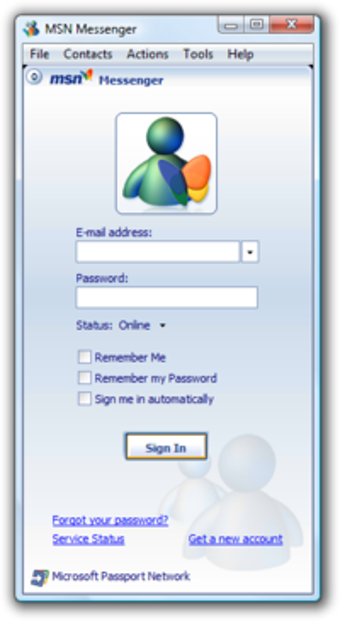
The client installs on Windows and had legacy builds for Mac OS X and early mobile platforms, so setup matched desktop habits of the era. Presence synced with Hotmail contacts for quick address-book access. Later versions required the same account credentials used for Microsoft services to merge contact lists and enable email-notification integration.
How do MSN Messenger's social features affect conversation flow?
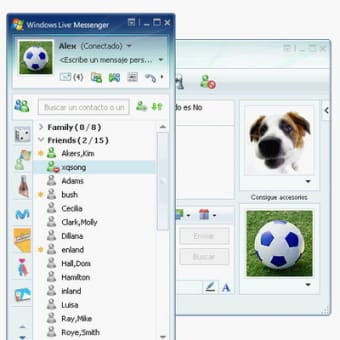
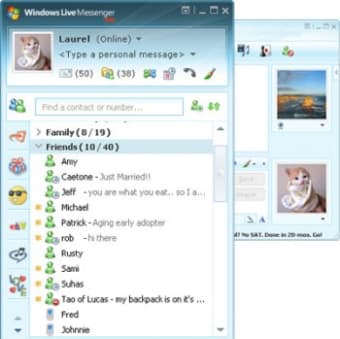
Expressive tools such as Winks, which send full-screen animations, and Nudges, which shake a chat window, change conversational attention patterns by creating interruptive visual cues. Custom emoticons and dynamic display pictures let users signal mood and identity within a chat roster, and those elements shaped how groups and friends coordinated informal interaction.
Who should consider MSN Messenger today?
MSN Messenger is a historically significant, nostalgic option for casual users who value playful, presence-driven social chat and local message archives. The service is retired and its servers are deactivated, so it no longer functions as an active communication platform; consider it chiefly as a reference point for older conversation workflows or for recovering locally saved histories from legacy systems.